Project Zinda Virasat
Traditional Knowledge
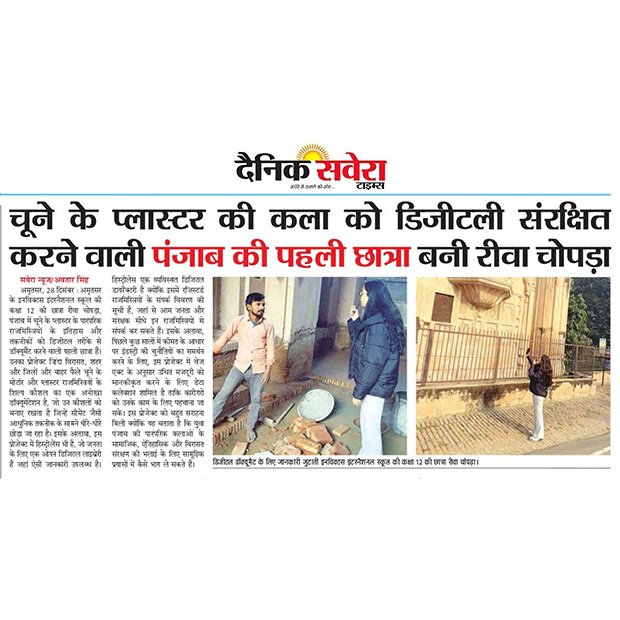
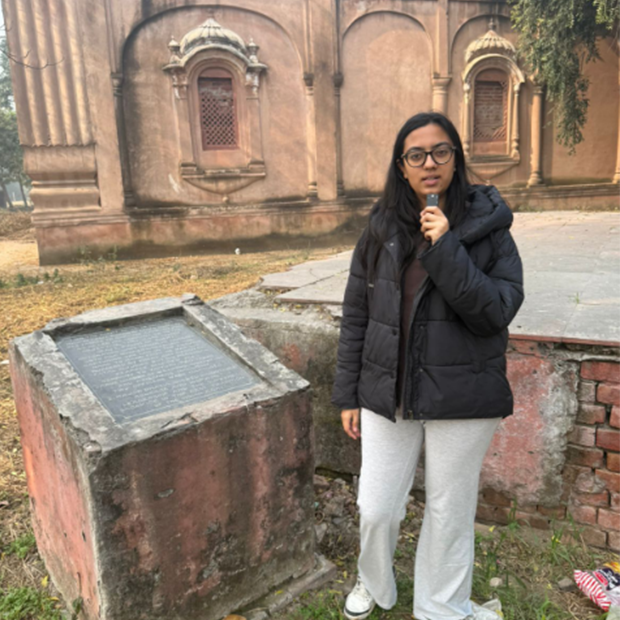
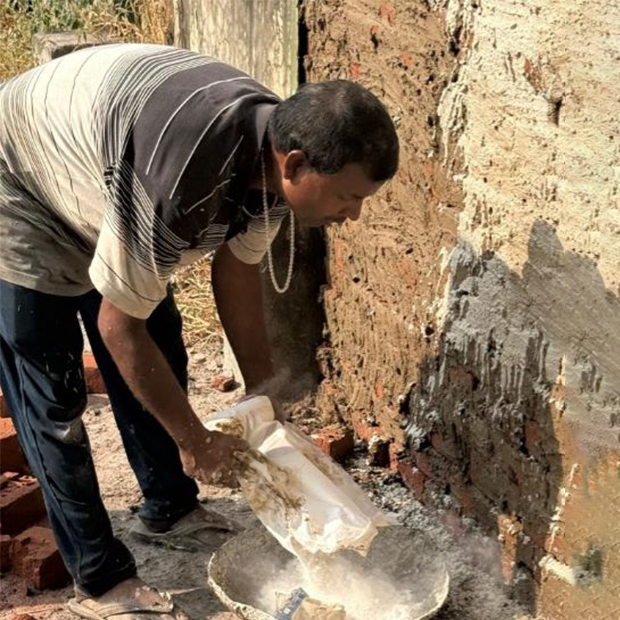
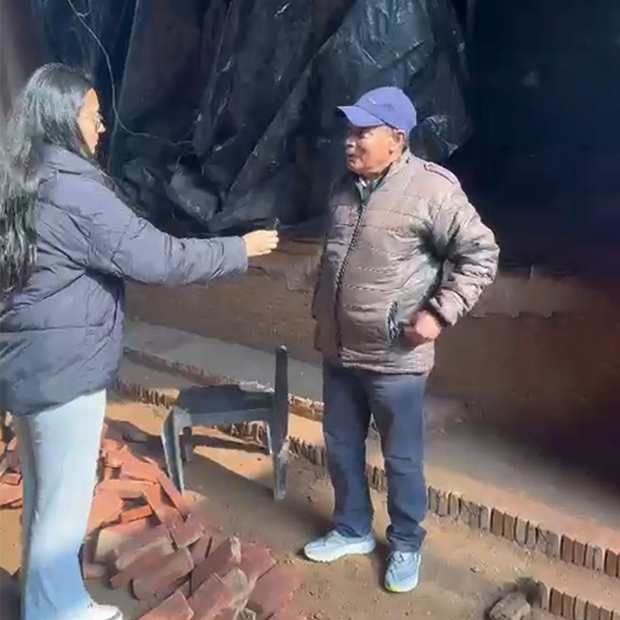
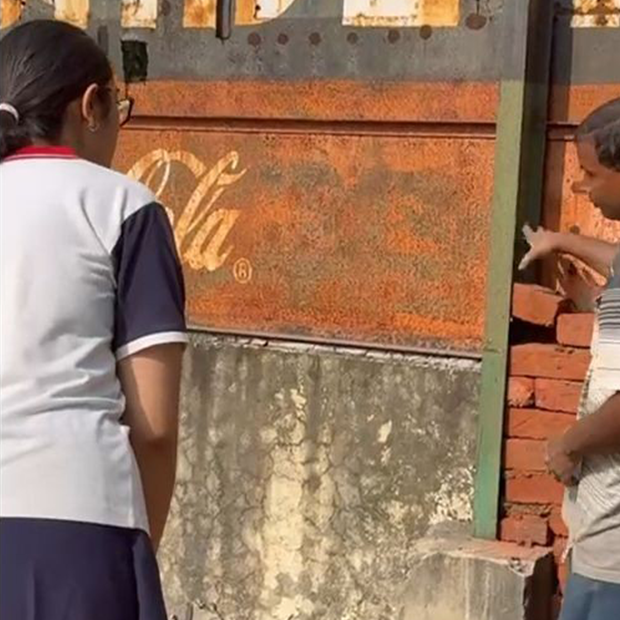
Zinda Virasat is an independent archival and oral-history project documenting living craft
traditions and labor histories that rarely enter formal records. The project works directly with
artisans, including lime masons, to document techniques and histories transmitted orally.
The resulting archives have been recognized and used by Voice of Amritsar, where I have also
volunteered in archival work. Public access is ensured through Instagram
(@project_zinda_virasat) and through HistoryLens, a digital platform hosting Amritsar’s first
oral-history archive of lime masons’ labor.
Project Zariya
Women’s Cricket Archive
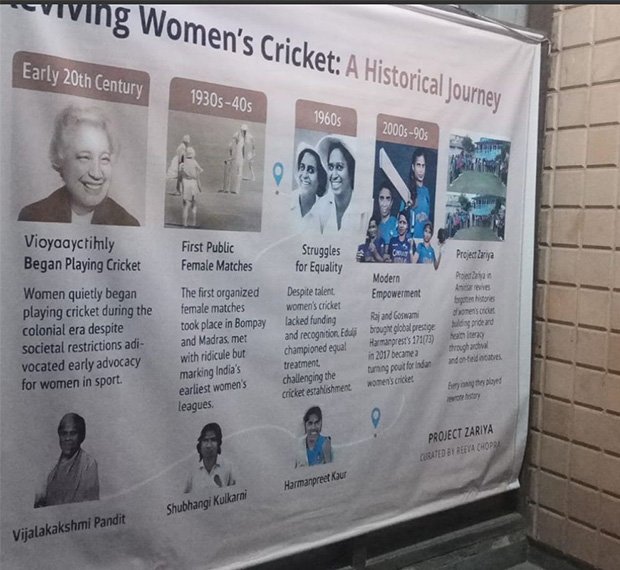
Project Zariya is a public-history exhibit documenting women’s unrecorded cricket histories and participation in local sporting cultures.
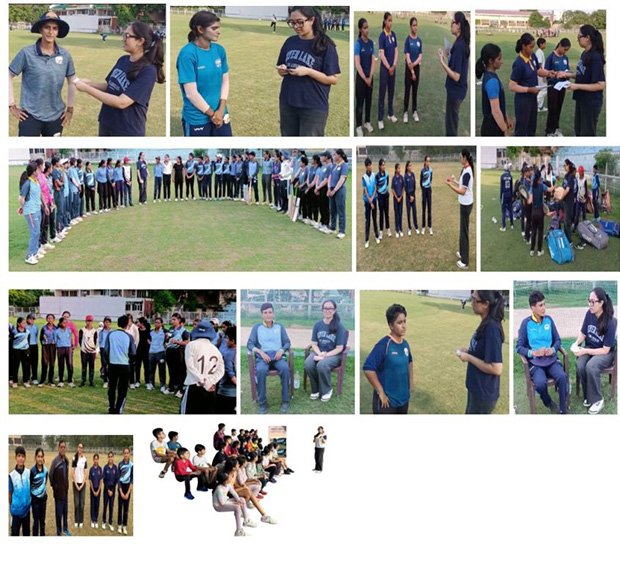
The project involved conducting interviews with women cricketers and contextualizing their
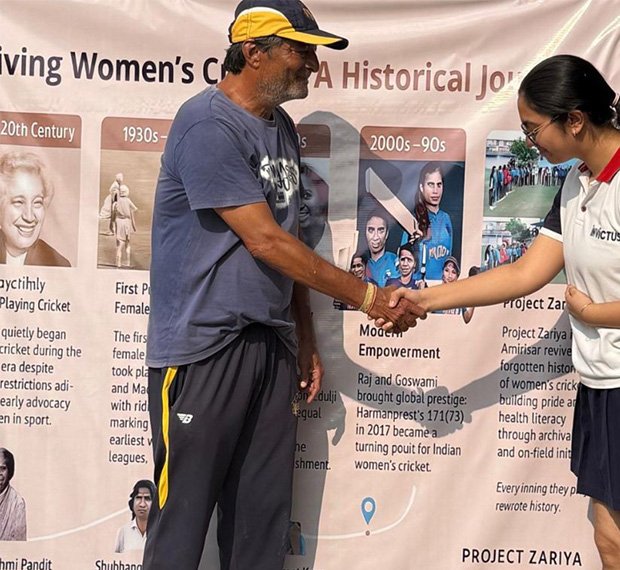
accounts through secondary historical research. These materials were curated into a public
exhibit displayed at AGA Cricket Club, designed to surface narratives often excluded from
formal sports histories.
The exhibit functioned as both documentation and public education, with post-exhibit survey
responses indicating increased awareness of women’s cricket history among viewers.

Project Sanjeevni
Moisture Damage Detection
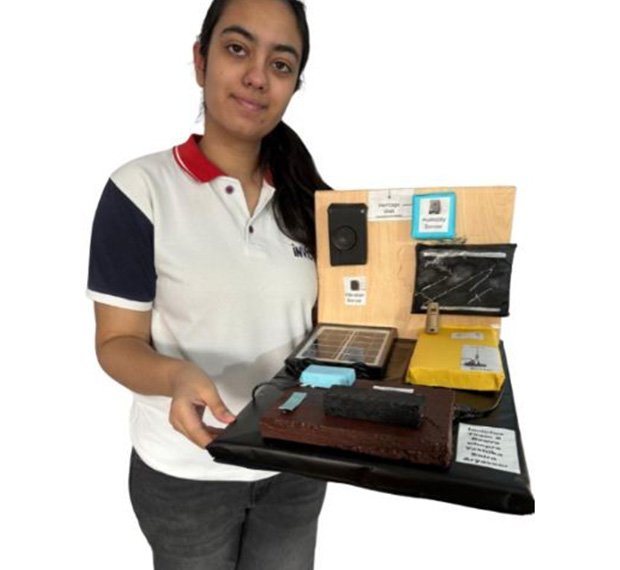
Project Sanjeevni is an applied research initiative focused on early detection of moisture
damage in lime-mortar walls.
The project involved designing and building a diagnostic prototype to document early-stage
structural deterioration. I led a five-member team, researched causes of moisture damage in
historic lime structures, and guided the creation of accompanying digital documentation.
The project was selected for ViksitBharat Buildathon, recognizing applied research with practical
conservation relevance.
Occupational Sun Exposure
The Historical Under-Recognition of Skin Cancer Among Cricket Athletes
(1880–2025)
This paper examines the neglected relationship between occupational sun exposure and skin cancer risk in cricket from 1880 to 2025. Using colonial medical archives, post-independence health policy documents, and a field study of 78 players in Amritsar, it identifies how moral and cultural ideas about sunlight as a symbol of health obscured its carcinogenic effects. Statistical data from a six-week pilot showed early signs of actinic keratosis in players, indicating occupational vulnerability. The study concludes that cricketers should be recognised under occupational health frameworks and that preventive sports medicine in India requires integration of dermatological screening and UV safety policy.
Designing Micro-Gardens in Urban Slums
A Sustainable Food Source
This research analyses micro-gardening as a low-cost strategy to address food insecurity in urban slums. Surveys of more than 100 participants from varied socioeconomic groups assessed awareness and willingness to adopt small-scale farming. Results showed limited knowledge but high interest among low-income respondents once the concept was explained. A prototype 1 × 1 m vertical micro-garden using recycled materials and kitchen compost was proposed. The paper concludes that micro-gardens can improve access to nutritious food and strengthen food autonomy in dense urban areas if supported by training, pilot programs, and local policy integration.
From Folk to Festivals
A Historical and Public Health Study of Music-Based Interventions Against Substance Abuse in Punjab
This paper explores how Punjab’s musical traditions can be applied in community-based interventions against substance abuse. Using a mixed-methods design combining historical review, surveys, interviews, and lyrical analysis, it examines how cultural factors and post-Green-Revolution social changes have contributed to addiction. The study finds that music-centered programs can reduce stigma, improve engagement, and provide alternative livelihoods. It recommends formal integration of music-based outreach within state public-health frameworks and proposes pilot concert initiatives involving local artists to promote recovery and prevention.
Humidity and Grip
Historical and Physical Analysis of Climate Effects on Cricket Ball Mechanics
This paper examines how humidity and sweat influence the grip and swing of the red cricket ball through historical and physical analysis. While most existing studies of cricket focus on aerodynamics, few have addressed the impact of atmospheric moisture and perspiration. Using archival sources from colonial sports science and material studies of cricket equipment, the research shows that both humidity and sweat significantly affect friction, ball weight, and surface texture. It explains how early British assumptions about stable climates led to limited understanding of tropical conditions in India, causing persistent gaps in cricket science. The study concludes that the material history of cricket is inseparable from climate, and that recognising moisture as a variable could improve modern equipment design and player training in humid environments.